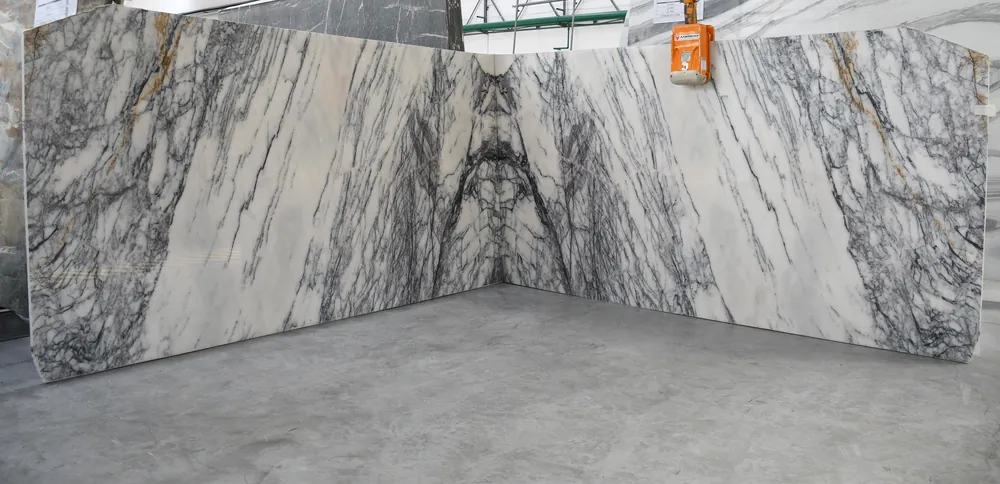
 Marble
From classic white marbles to dramatic veined stones, selected according to application, fabrication requirements and project aesthetic.
Explore Marble
Marble
From classic white marbles to dramatic veined stones, selected according to application, fabrication requirements and project aesthetic.
Explore Marble
Materials
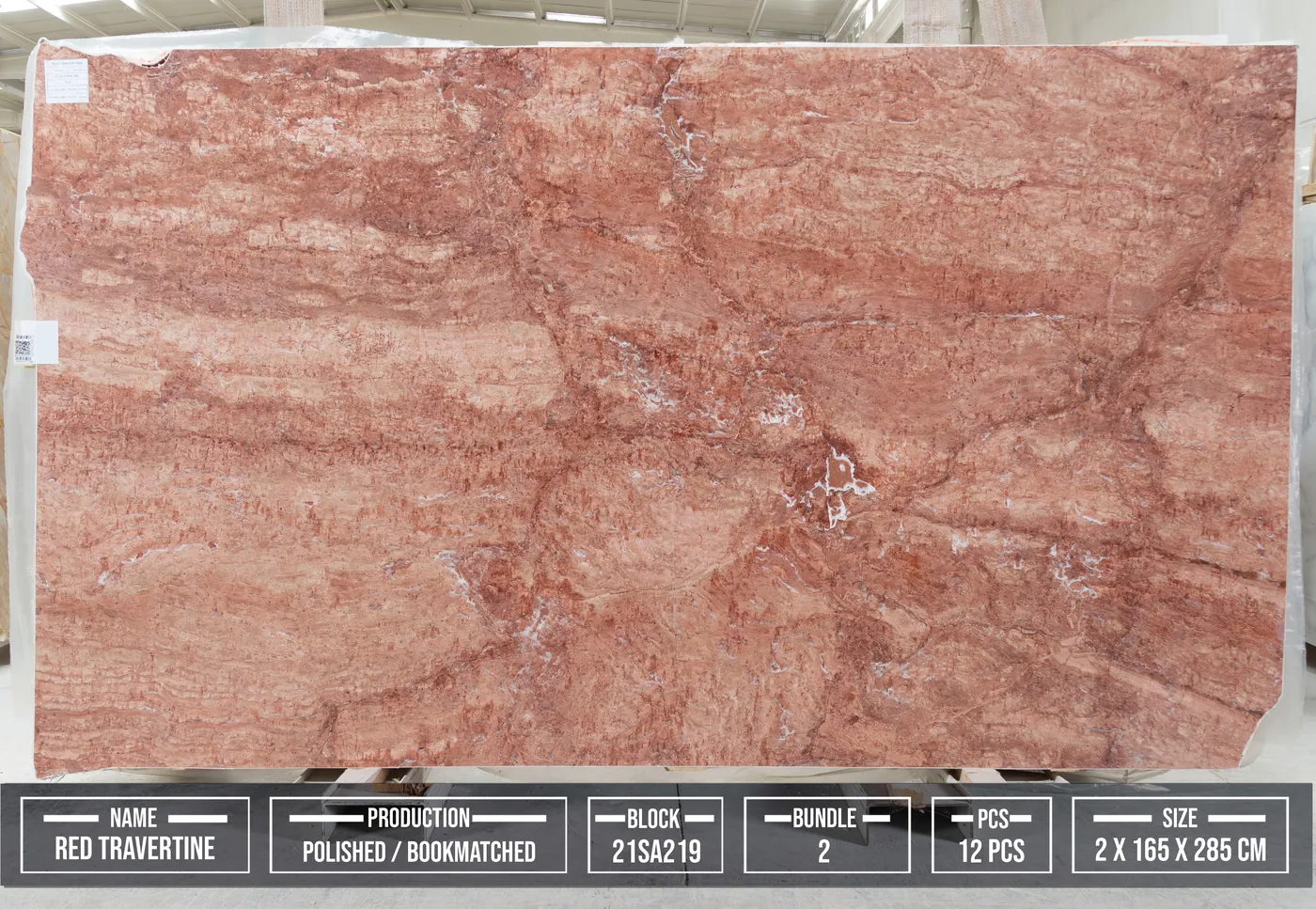
Turkish Travertine
Classic, silver and walnut travertines in vein cut or cross cut, specified for fill, finish and direction.
Denizli is one of the best-known travertine regions in the world. Travertine is chosen for its warmth and texture, and its behaviour depends on cut direction, fill and finish.
Technical considerations
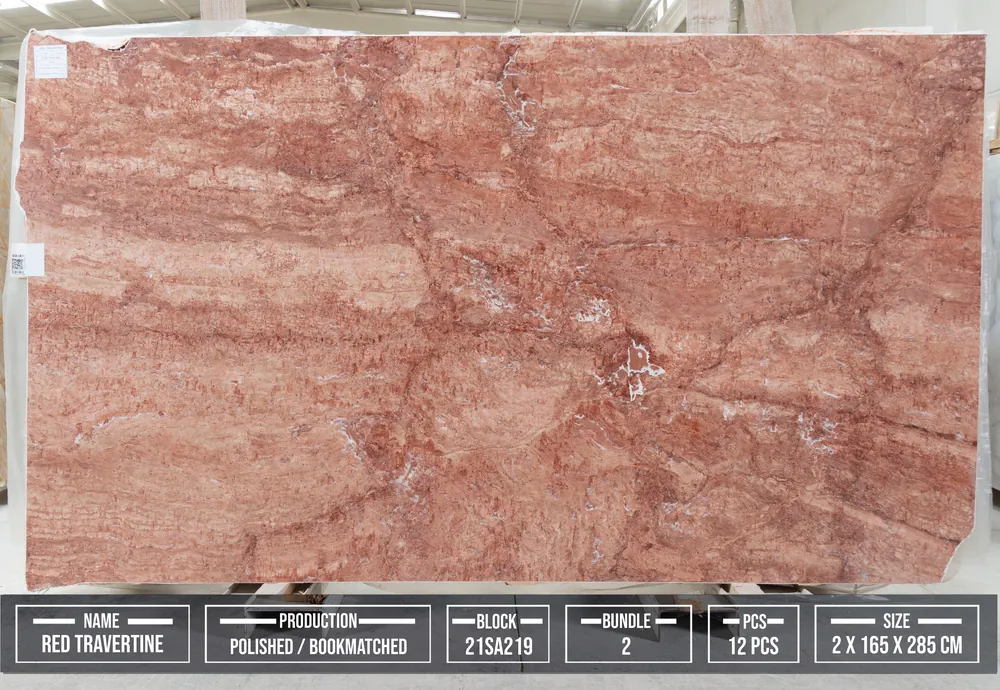
- Vein cut direction is marked on drawings and on every piece.
- Fill colour and fill method are agreed with a reference sample.
- Tone can vary between blocks; phased projects benefit from block reservation.
- Exterior use needs frost and slip requirements checked for the location.
Technical information indicative
| Property | Typical range | Test |
|---|---|---|
| Density | 2.30 – 2.50 g/cm³ | EN 1936 |
| Water absorption | 0.50 – 2.50 % | EN 13755 |
| Flexural strength | 6 – 12 MPa | EN 12372 |
Values vary by quarry and block. Lot-specific test reports are requested from the supplier before approval.
Common questions about travertine
- What is the difference between vein cut and cross cut travertine?
- Vein cut travertine is cut across the natural layers and shows linear bands. Cross cut travertine is cut along the layers and shows a softer, cloudy pattern. The direction must be stated on drawings and marked on every piece.
- Should travertine be filled or unfilled?
- Filled travertine has its natural holes closed with resin or cement, giving a smoother surface for interiors. Unfilled or tumbled travertine is often used outdoors and around pools. Fill colour is approved on a sample.
- Is Turkish travertine suitable for exterior use?
- Many Turkish travertines are used outdoors, but frost resistance and slip resistance depend on the specific stone and finish. Test data for the actual lot should be reviewed against the climate and use.
Further reading
Other materials
Marble
From classic white marbles to dramatic veined stones, selected according to application, fabrication requirements and project aesthetic.
Explore Marble
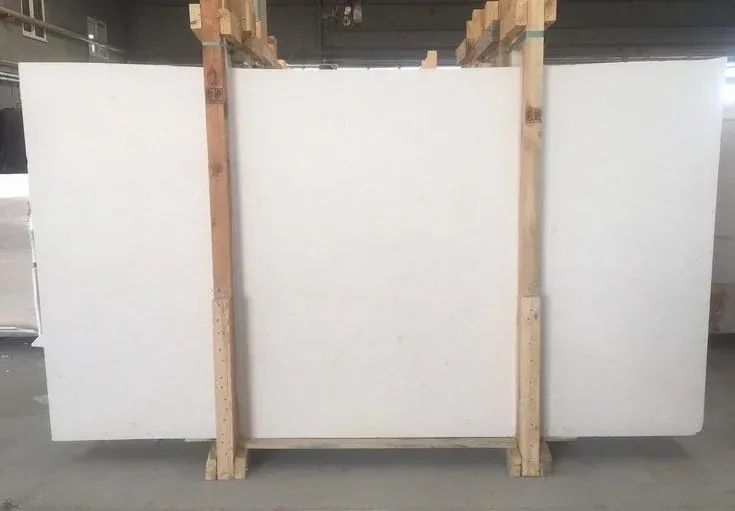 Limestone
Even, fine-grained stones in beige and cream tones for façades, floors and profiled work.
Explore Limestone
Limestone
Even, fine-grained stones in beige and cream tones for façades, floors and profiled work.
Explore Limestone
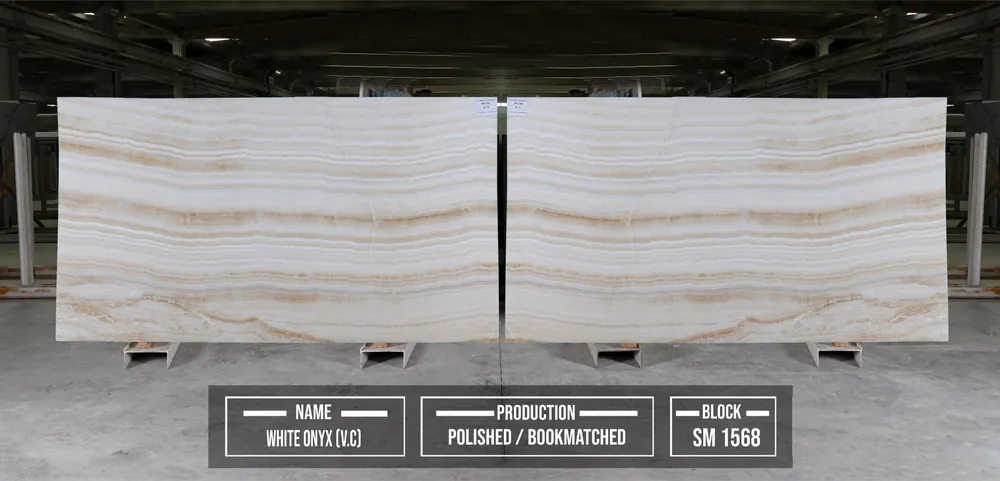 Onyx
Translucent banded stones for backlit panels, bar fronts and feature surfaces.
Explore Onyx
Onyx
Translucent banded stones for backlit panels, bar fronts and feature surfaces.
Explore Onyx
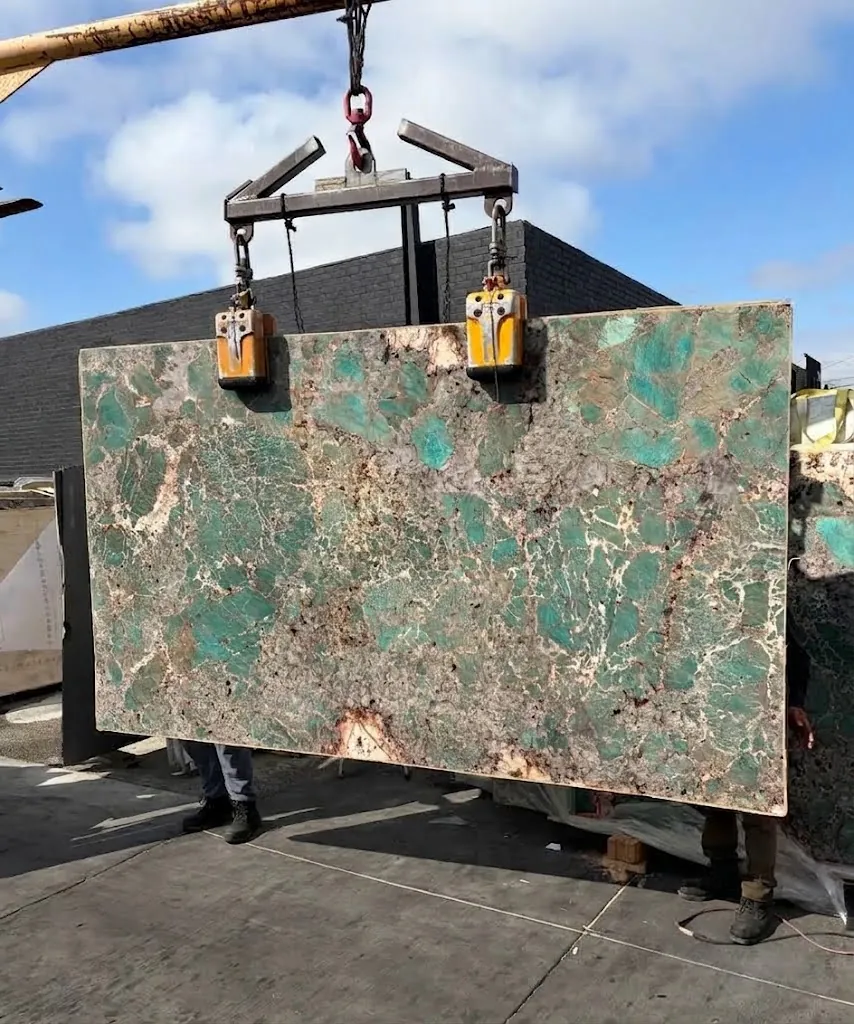 Quartzite
Hard, low-absorption stones for demanding horizontal surfaces.
Explore Quartzite
Quartzite
Hard, low-absorption stones for demanding horizontal surfaces.
Explore Quartzite

Have a Stone Project in Turkey?
Tell us what you’re working on. We’ll help you determine the right material, supplier and technical approach.