Marble is one of the most wanted materials for kitchen countertops and one of the most misunderstood. It will not stay perfect. Whether that is a problem depends on the finish, the sealing and what you expect from a worktop.
The case for marble
- Appearance: depth, translucency and veining that no printed surface fully copies
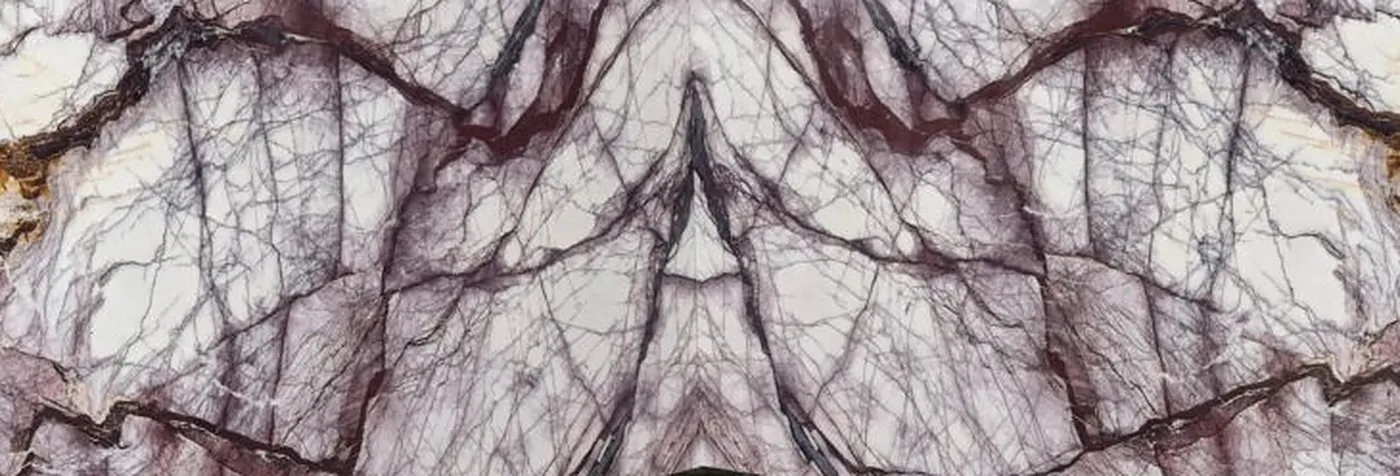
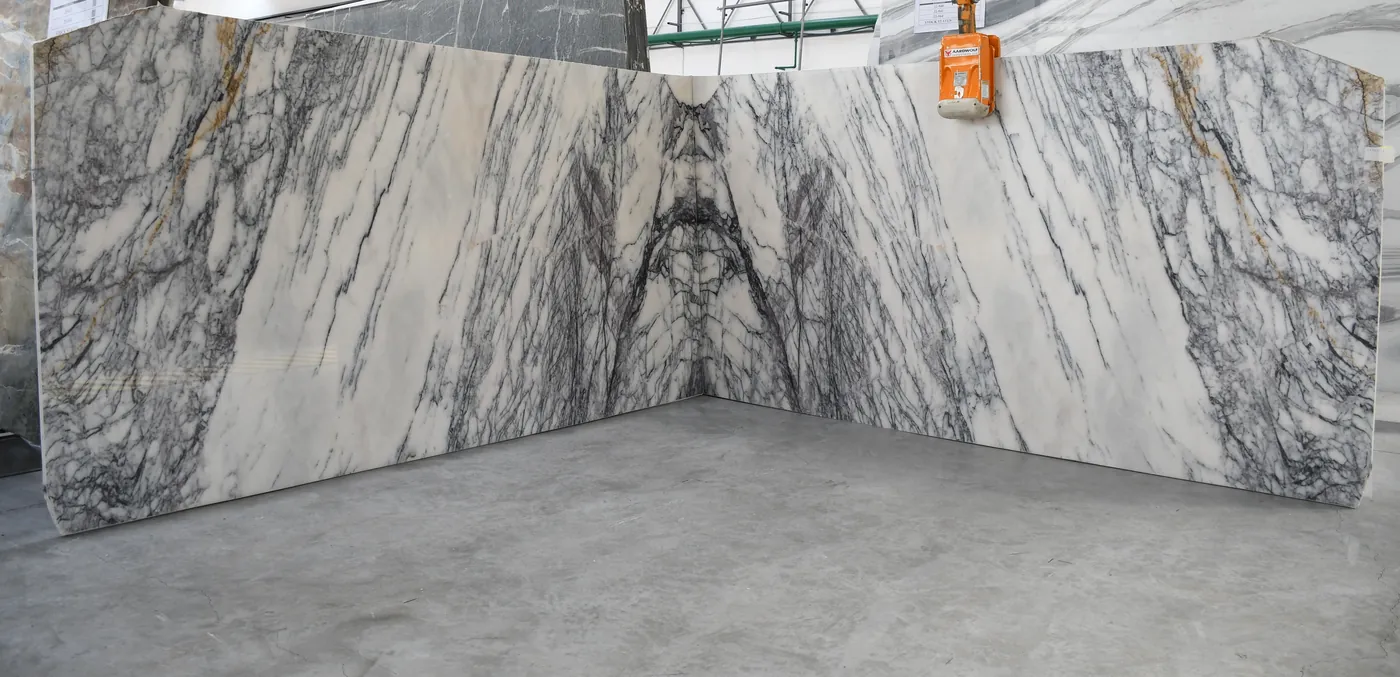
- Every slab is unique: islands and bookmatched backsplashes can be designed around the stone
- Cool surface: traditionally used for pastry and baking
- Heat: it copes well with warmth, although trivets are still advised
- Repairable: etching and light scratches can be honed and polished out by a professional
- Lasting value: natural stone kitchens age well and do not date the way some trends do
The downsides
- Etching: acids like lemon, vinegar, wine and some cleaners leave dull marks on calcite
- Staining: oil, coffee and wine can soak in if the stone is not sealed
- Scratching: marble is softer than quartz or granite, so knives can mark it
- Maintenance: it needs resealing and gentle, pH-neutral cleaners
- Cost: premium whites and bookmatched slabs are expensive, and selection takes time
If you want a surface that looks new for ten years with no care, marble is the wrong choice. If you like a surface that gains character with use, it can be the right one.
Etching vs staining
Sealing prevents stains, not etching. A sealer slows liquids from soaking in. It does not stop acid from reacting with the calcite on the surface. That is why sealed marble can still etch. Our marble vs quartzite guide covers this in more detail, with a simple acid test.
Honed or polished
| Polished | Honed | |
|---|---|---|
| Look | Glossy, deeper colour, strong veining | Matte or satin, softer, more natural |
| Etch marks | Very visible as dull spots | Much less visible |
| Stain resistance | Slightly better, less open surface | Needs good sealing |
| Best for | Low-use areas, vanities, walls | Busy kitchens, islands |
Leathered and brushed finishes are other options. They hide marks well and add texture. Always approve the finish on a sample of the actual stone.
Sealing and care
- Seal with a good impregnating (penetrating) sealer after installation.
- Test it: put a few drops of water on the surface. If they darken the stone within a few minutes, it is time to reseal. Many kitchens reseal every six to twelve months, depending on the stone and use.
- Wipe spills quickly, especially acids and oils.
- Clean with warm water or a pH-neutral stone cleaner. Avoid vinegar, lemon and bleach-based or abrasive products.
- Use chopping boards and trivets.
Thickness and edges
Marble worktops are usually 2 cm or 3 cm thick. In the US, 3 cm (about 1 1/4″) is common for kitchens; in the UK, both are used, often 2 cm or 3 cm with a built-up or mitred edge to look thicker. Thinner slabs need good support over dishwashers and overhangs.
Common edges are eased, bevelled, half bullnose and mitred. A mitred edge lets a 2 cm slab look like a thick block and keeps the veining wrapping round the corner, but it must be cut and matched carefully. Mark every edge, cut-out and joint in the shop drawing before fabrication.
Choosing the right marble
- Lighter, busier veining hides marks better than a plain, bright white.
- Denser marbles absorb less; ask for water absorption data if you are unsure.
- For islands, choose the slab first and design the cut around the veining.
- Compare classic names such as Carrara and Calacatta with Turkish marbles of similar look. See Carrara vs Calacatta vs Statuario.
Marble Technic selects and inspects marble slabs in Turkey and follows the production of countertops and vanity tops for kitchen companies and fabricators in the UK and the US. See our countertop service.
Frequently asked questions
- Are marble countertops worth it?
- They are worth it if you value the look of natural stone and accept that it will etch and gain character over time. If you want a surface that needs almost no care, quartzite, quartz or porcelain may suit you better.
- Does sealing marble stop etching?
- No. Sealing helps prevent stains by slowing liquids from soaking in, but it does not stop acids from reacting with the calcite and leaving dull etch marks.
- Is honed or polished marble better for a kitchen?
- Honed marble is usually better for busy kitchens because etch marks are much less visible. Polished marble looks deeper and glossier but shows etching clearly.
- How often should marble countertops be sealed?
- Many kitchens reseal every six to twelve months, depending on the stone and how much it is used. If a few drops of water darken the stone within minutes, it is time to reseal.
- How thick should a marble countertop be?
- Usually 2 cm or 3 cm. In the US, 3 cm is common for kitchens. A 2 cm slab can be given a mitred edge to look thicker.
Questions about your projectinfo@marbletechnic.com
Related material: Turkish Marble
More articles: Carrara vs Calacatta vs Statuario Marble: How to Tell Them Apart · Marble vs Quartzite Countertops: Which Is Better for a Kitchen? · How to Import Travertine from Turkey: A Guide for UK and US Buyers · Turkish vs Italian Travertine: What Specifiers Should Compare · ASTM vs EN: Natural Stone Standards for UK and US Projects · Technical Support for Marble Projects: Working With a Team in Turkey · Vein Cut vs Cross Cut Travertine: How to Specify Cut Direction · What to Check on a Natural Stone Slab Before It Is Cut · How to Read a Natural Stone Shop Drawing: A Guide for Designers · Quartz vs Porcelain Countertops: A Technical Comparison