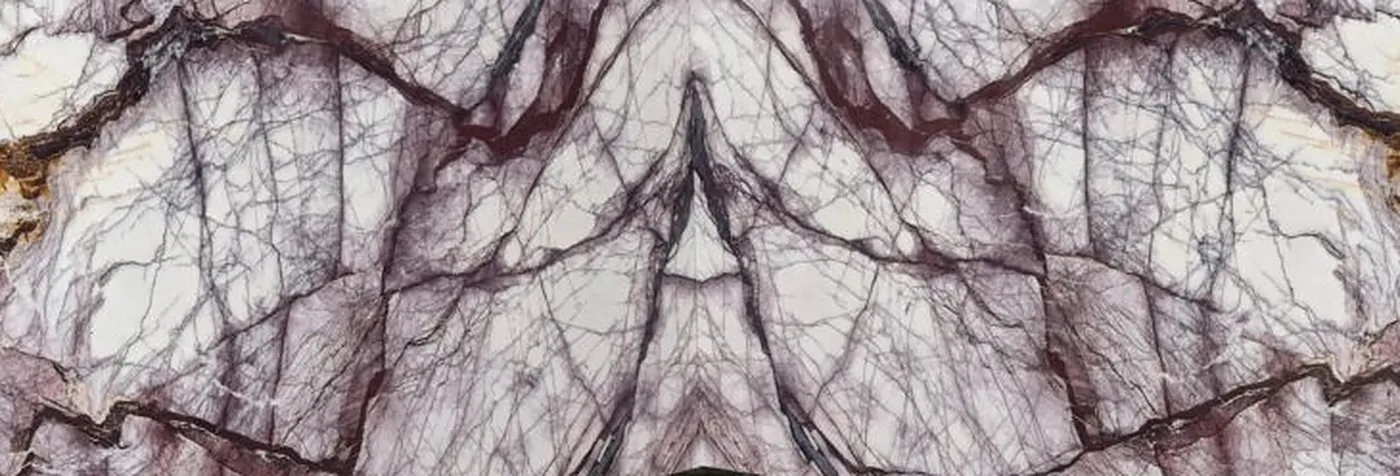
A sample shows what a stone looks like. Test data shows how it will behave on a façade, a hotel floor or a pool deck. US projects specify against ASTM, UK and European projects against EN, and a supplier in Turkey should be able to provide either.
Why test data matters
Two marbles can look alike and perform very differently. Water absorption affects staining and frost damage; flexural strength decides how thin a cladding panel can be and how far it can span between fixings; slip resistance decides whether a floor is safe when wet. These properties are measured with standard tests, and the results belong in the specification.
United States: ASTM standards
US specifications usually reference ASTM material standards, which set minimum requirements, and ASTM test methods, which describe how each property is measured.
- ASTM C503: standard specification for marble dimension stone
- ASTM C1527: standard specification for travertine dimension stone
- ASTM C568: limestone; C615: granite; C616: quartz-based stone such as quartzite
- ASTM C97: absorption and bulk specific gravity
- ASTM C99: modulus of rupture
- ASTM C880: flexural strength
- ASTM C170: compressive strength
- ASTM C1353: abrasion resistance
United Kingdom and Europe: EN standards
UK projects reference BS EN standards. Product standards cover the stone in its final form; test standards describe each measurement.
- EN 1469: slabs for cladding
- EN 12057: modular tiles
- EN 12058: slabs for floors and stairs
- EN 1341: slabs for external paving
- EN 1936: density and porosity
- EN 13755: water absorption at atmospheric pressure
- EN 12372: flexural strength under concentrated load
- EN 1926: compressive strength
- EN 12371: frost resistance
- EN 14157: abrasion resistance
- EN 14231: slip resistance by the pendulum tester
For external cladding, BS 8298 is the UK code of practice for the design and installation of natural stone cladding.
The same property, two standards
| Property | US (ASTM) | UK / Europe (EN) |
|---|---|---|
| Water absorption | C97 | EN 13755 |
| Density | C97 | EN 1936 |
| Flexural strength | C99, C880 | EN 12372 (EN 13161 constant moment) |
| Compressive strength | C170 | EN 1926 |
| Abrasion | C1353 | EN 14157 |
| Frost resistance | Assessed for exterior use per project | EN 12371 |
| Slip resistance | DCOF, ANSI A326.3 | Pendulum test value (PTV), EN 14231 |
The methods differ, so results from one system cannot simply be relabelled as the other. If your specification is written to ASTM, ask for ASTM tests.
Slip resistance in the UK and the US
UK: slip resistance is usually assessed with the pendulum test, giving a Pendulum Test Value (PTV). UK Slip Resistance Group guidance treats a PTV of 36 or more as low slip potential. Test in the wet condition and on the finish you will install.
US: hard-surface floors are commonly assessed by dynamic coefficient of friction (DCOF) under ANSI A326.3. A DCOF of 0.42 is the usual reference for level interior floors expected to be walked on when wet.
A polished marble that is fine in a dry living room can be unsuitable in a hotel bathroom or by a pool. Finish matters as much as stone: honed, brushed, sandblasted and bush-hammered surfaces all test differently.
What to ask your supplier in Turkey
- Test reports from an accredited laboratory, to the standard your specification references.
- Reports that are recent and from the same quarry, and ideally the same bench, as the stone you will receive.
- Slip results on the actual finish, not on a polished sample if you are installing honed.
- For cladding, flexural strength results suitable for the fixing design and panel thickness.
- For UK projects, product declarations under the relevant EN product standard where applicable.
The values required for a given project are set by the design team and the engineer. Our role is to make sure the right tests exist for the right stone, and that the stone shipped is the stone that was tested. See our technical consulting service.
Frequently asked questions
- Which ASTM standard covers marble?
- ASTM C503 is the standard specification for marble dimension stone. Travertine is covered by ASTM C1527.
- What is the EN standard for natural stone floor tiles?
- EN 12057 covers modular natural stone tiles and EN 12058 covers slabs for floors and stairs. External paving slabs are covered by EN 1341.
- What slip resistance is needed for a floor in the UK?
- UK guidance generally treats a Pendulum Test Value (PTV) of 36 or more, tested wet, as low slip potential. The requirement for a specific project is set by the design team.
- What DCOF is required for floors in the US?
- Under ANSI A326.3, a DCOF of 0.42 is the common reference for level interior floors expected to be walked on when wet.
Questions about your projectinfo@marbletechnic.com
Related material: Turkish Marble
More articles: Carrara vs Calacatta vs Statuario Marble: How to Tell Them Apart · Marble vs Quartzite Countertops: Which Is Better for a Kitchen? · Marble Countertops: Pros, Cons, Etching, Sealing and Finishes · How to Import Travertine from Turkey: A Guide for UK and US Buyers · Turkish vs Italian Travertine: What Specifiers Should Compare · Technical Support for Marble Projects: Working With a Team in Turkey · Vein Cut vs Cross Cut Travertine: How to Specify Cut Direction · What to Check on a Natural Stone Slab Before It Is Cut · How to Read a Natural Stone Shop Drawing: A Guide for Designers · Quartz vs Porcelain Countertops: A Technical Comparison